After Twenty-Six Years, Still Answering the Phone
Margaret Ellsworth started her firm in a one-room office above a flower shop. She talks about clients as relationships, why she turns away "vending-machine" work, and the question she has been turning over for two years.
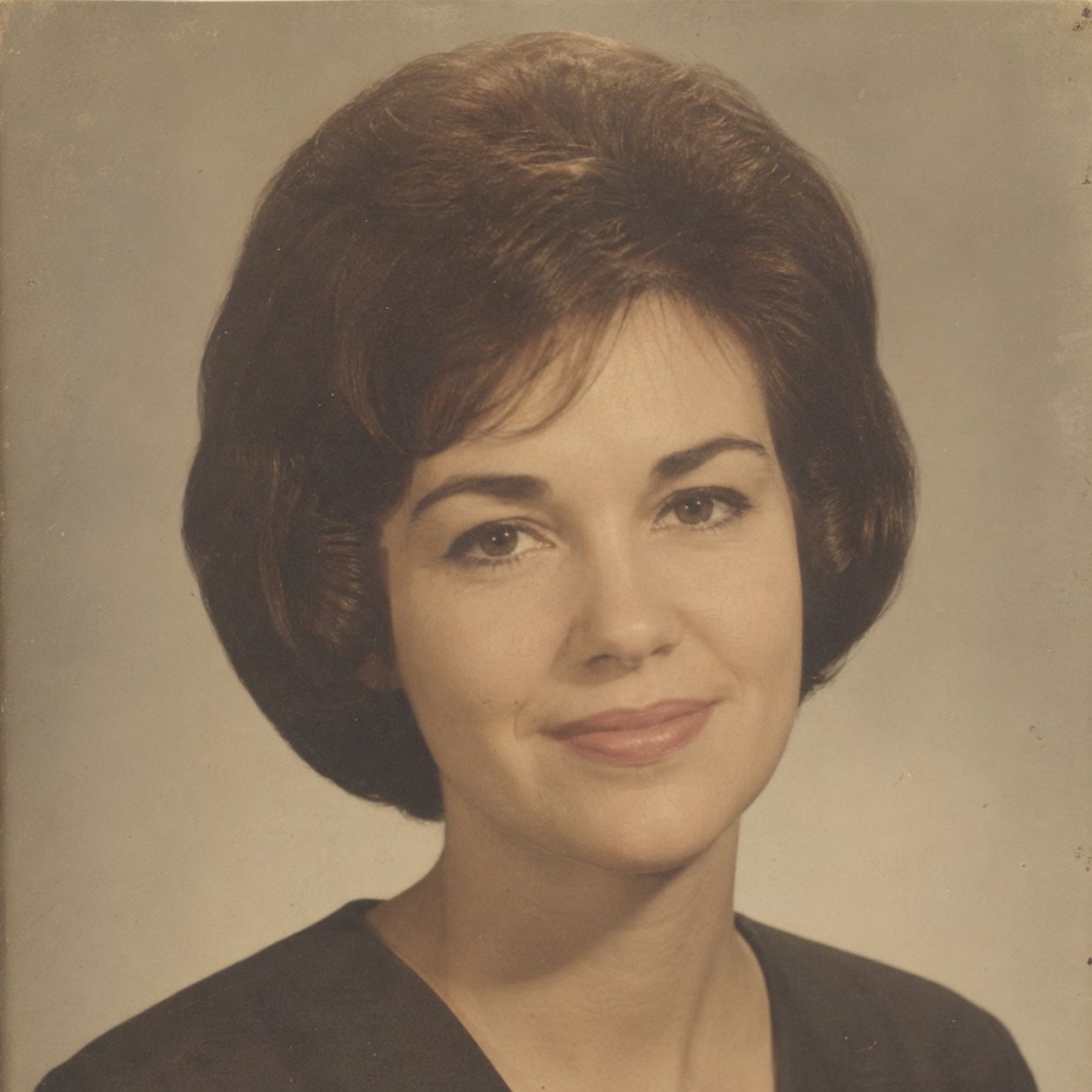
The office sits above what used to be a flower shop and is now a coffee roaster, on a quiet stretch of a downtown street in western North Carolina. Margaret Ellsworth — everyone calls her Maggie — has been working out of the same suite for twenty-six years. The view from her desk looks out over the rooflines of the Blue Ridge foothills. There is a framed photograph of her first business card on the wall, slightly crooked, which she says she has stopped trying to fix.
Walk us back to the beginning. How did Ellsworth Tax Advisors come to be?
I'd been at a regional firm in Charlotte for nine years. I was good at what I did, but I kept watching clients get handed off the moment they needed something nuanced. I wanted relationships, not transactions.
So in 1999 I rented a one-room office above a flower shop, brought four clients with me, and printed business cards at a Kinko's. Pat Halloran joined me in 2003 after we'd worked on a deal together. We've been partners ever since.
What does the firm look like today?
We're seven people, including the two partners. About sixty percent of our work is for closely-held businesses — restaurants, breweries, a few small manufacturers. The rest is high-net-worth individuals and the estate work that follows naturally from those relationships. We turn down anyone who treats their accountant like a vending machine. Life is too short.
What has been the biggest change in the profession since you started?
Software, without question. When I started in the eighties, most of the work was still done by hand. Twelve-column ledger paper, a sharp pencil, and a good eraser. I went through a lot of erasers. You would sit there for hours posting entries, footing columns, and praying the trial balance would tie. When it did not, you started over. There were nights I drove home with graphite under my fingernails.
By the time I opened my own shop in 1999, most of that had moved onto a desktop computer in the corner of the office — the tax software, the bookkeeping, the document files, all on one machine. Now everything is in the cloud. The client uploads their documents from home. The bookkeeping syncs in real time. We can pull up any return from any device.
It has changed how the work gets done in ways I could not have imagined sitting at that desk with my pencil. Most of it is for the better — we get more done, we make fewer mistakes, and the staff has more flexibility. But I still keep a yellow legal pad and a mechanical pencil on my desk. Some habits earn their keep.
There's still a market for the firm that knows your kids' names. I tell my younger staff that all the time.
Where do you think the profession is heading?
Consolidation. Private equity is buying up firms at a pace nobody talks about openly. I don't think it is all bad — some of these firms genuinely needed capital and modern systems to keep up. But something gets lost when a regional firm becomes a node in someone else's portfolio. There's still a market for the firm that knows your kids' names.
What is something you wish more clients understood?
That the work that costs them the least is usually the work that prevents the most. The thirty-minute call in October is worth more than the four-hour cleanup in March. I have been saying this for twenty-six years and I expect to say it for the rest of my career.
What advice would you give someone who is starting their own firm today?
Charge more than feels comfortable. Say no to the wrong clients early — they don't get better. And find a peer group outside your office. Running a firm is lonely in ways nobody warns you about, and the people who really understand what your day is like are the other people doing it.
What does the next chapter look like for you?
That is the question I have been turning over for about two years now. Pat and I built something we are proud of, and the staff has been incredibly loyal. I would like to see the firm continue past us — but the path there isn't obvious.
We don't have a younger partner who is ready to buy us out, and the kids didn't go into accounting. So I am in what I would call the "thinking about it" stage. I tell people I am not in a hurry, but I am also not getting any younger.
If you could go back to that one-room office in 1999, what would you tell yourself?
Take the clients home with you in your head, but not in your body. The work expands to fill whatever space you give it. Go for the walk. Eat the dinner. The firm will still be there in the morning, and so will the K-1s.